Professional carpet cleaning may help remove some dust, pollen, pet dander and other material that collects in carpet, although it cannot treat allergies or guarantee improved indoor air quality. For Sydney households thinking about spring pollen and everyday dust, carpet care can form part of a broader approach that includes regular vacuuming and advice from trusted Australian asthma and allergy organisations.
Can Carpet Make Allergies Worse?
Carpet isn’t automatically a problem for people with allergies, but it can contain materials that trigger reactions in some individuals. The important distinction is between the carpet itself and the dust or allergens that may collect in it, particularly when a room receives plenty of foot traffic or isn’t vacuumed regularly.
The National Asthma Council Australia identifies dust mites as a common asthma and allergy trigger and explains that they can live in carpets, bedding and other soft furnishings. Their droppings and body fragments can trigger reactions in people who are sensitive to them. Other recognised triggers include pollen, mould and animal allergens, but that doesn’t mean a particular household’s carpet is responsible for someone’s symptoms.
If allergies or asthma are a concern, it helps to understand your individual triggers with guidance from a healthcare professional, rather than assuming that changing your cleaning routine will resolve them.
What Common Allergens Can Settle in Carpeted Rooms?
Carpets come into contact with much of what moves through a household. People walk in from outside, pets move between rooms and everyday activity allows dust and other fine particles to settle around the home.
- Household dust and dust-mite allergens: Dust mites can live in carpets and soft furnishings where conditions suit them, leaving allergen material behind.
- Pollen: Pollen can enter through doors and windows or be carried indoors on clothing and belongings.
- Pet dander: Tiny flakes shed by animals can become part of household dust and are an allergen for some people.
- Mould-related material: This needs separate attention because mould is associated with damp conditions, not simply a carpet that needs its usual clean.
A carpet that has remained wet after a leak or has visible mould should be assessed as a moisture problem. Routine carpet cleaning is not a substitute for addressing the source of dampness.
Why Does Spring Matter for Pollen-Sensitive Households in Sydney?
Spring can be a challenging time for people sensitive to pollen, although levels vary depending on the weather, location and types of plants in the area. Pollen can enter homes through open doors and windows or be carried indoors on clothing and shoes, eventually settling on carpets, furniture and other surfaces.
For Sydney households, this makes spring a useful time to pay closer attention to regular cleaning, particularly in rooms that receive plenty of foot traffic. Vacuuming carpets and cleaning nearby soft furnishings can help manage some of the particles brought indoors.
It’s also worth considering outdoor pollen conditions when ventilating the home. Opening windows can improve airflow, but keeping them closed when pollen levels are high may help limit the amount entering from outside.
How Can Professional Carpet Cleaning Fit into Allergen Reduction?
Professional cleaning can help with carpet maintenance when ordinary vacuuming is no longer enough to address accumulated dirt and debris. Depending on the material and cleaning method, it may also reduce some allergen-containing material held within the carpet, but it should never be presented as an allergy treatment or a guaranteed way to improve indoor air.
The first consideration is the carpet itself. Its fibre, construction, condition and previous treatments can all affect which cleaning approach is suitable. This is why professional carpet cleaning in Sydney is best considered alongside a regular household cleaning routine, rather than as a replacement for vacuuming or individual health advice.
What Does the Professional Carpet Cleaning Process Actually Do?
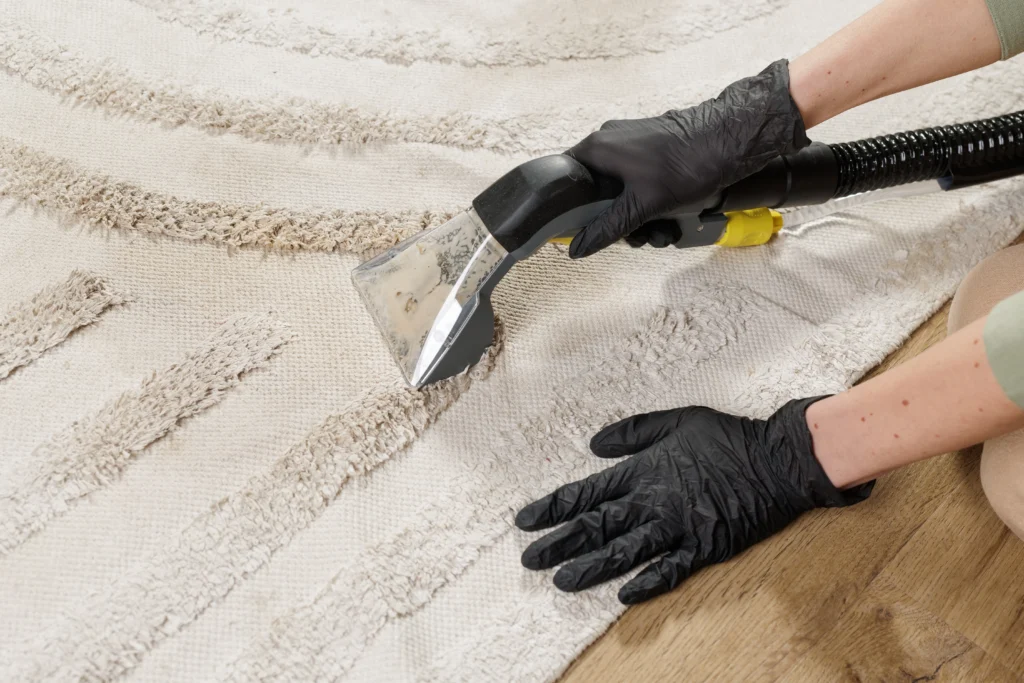
A professional clean starts with understanding the carpet and the problem being addressed, whether that’s general dirt in a frequently used room or marks that have built up over time. Where suitable, pre-treatment can help loosen dirt before the main clean, with the equipment and method chosen according to the material and its condition.
Hot water extraction is one option, but it isn’t appropriate for every carpet. Some materials may require a lower-moisture or different approach, and carpets cleaned with water need sufficient time and airflow to dry thoroughly afterwards. That makes method selection and drying just as important as the visible cleaning result.
Does Steam Cleaning Help with Dust Mites?
Steam cleaning can help reduce dust-mite numbers in carpets, although it won’t necessarily remove every mite or all the allergens they leave behind. The results depend on the cleaning method and carpet type, making it important to choose a treatment that suits the material.
Thorough drying is also essential, as lingering moisture can create conditions that favour dust mites. For households concerned about dust-mite allergens, professional carpet cleaning is best considered alongside regular vacuuming and keeping indoor dampness under control.
Vacuuming vs Professional Carpet Cleaning: What’s the Difference?
Regular vacuuming removes everyday dust, hair and loose debris, while professional cleaning provides a deeper clean that can address dirt left behind, depending on the carpet and method used.
For people with confirmed dust-mite allergies, the National Asthma Council recommends vacuuming carpets and soft furnishings weekly, preferably using HEPA filtration, which captures fine particles that might otherwise escape into the air.
Because vacuuming can temporarily stir up allergens, the council also advises people with dust-mite allergies to have someone else vacuum while they stay out of the room where possible. Both cleaning methods have their place, with regular vacuuming supporting everyday maintenance between professional cleans.
How Often Should Allergy-Sensitive Households Have Carpets Cleaned?
There isn’t one professional cleaning timetable that suits every home. A carpet in a frequently used family living room may need attention sooner than flooring in a guest bedroom, while pets, spills, carpet type and manufacturer guidance can all influence the decision.
The council’s weekly recommendation above applies to routine vacuuming for people with confirmed dust-mite allergies, not to booking professional cleaning every week. For deeper cleans, monitor the carpet’s condition and discuss its care requirements with a suitable cleaning professional rather than following an arbitrary three-, six- or twelve-month rule.
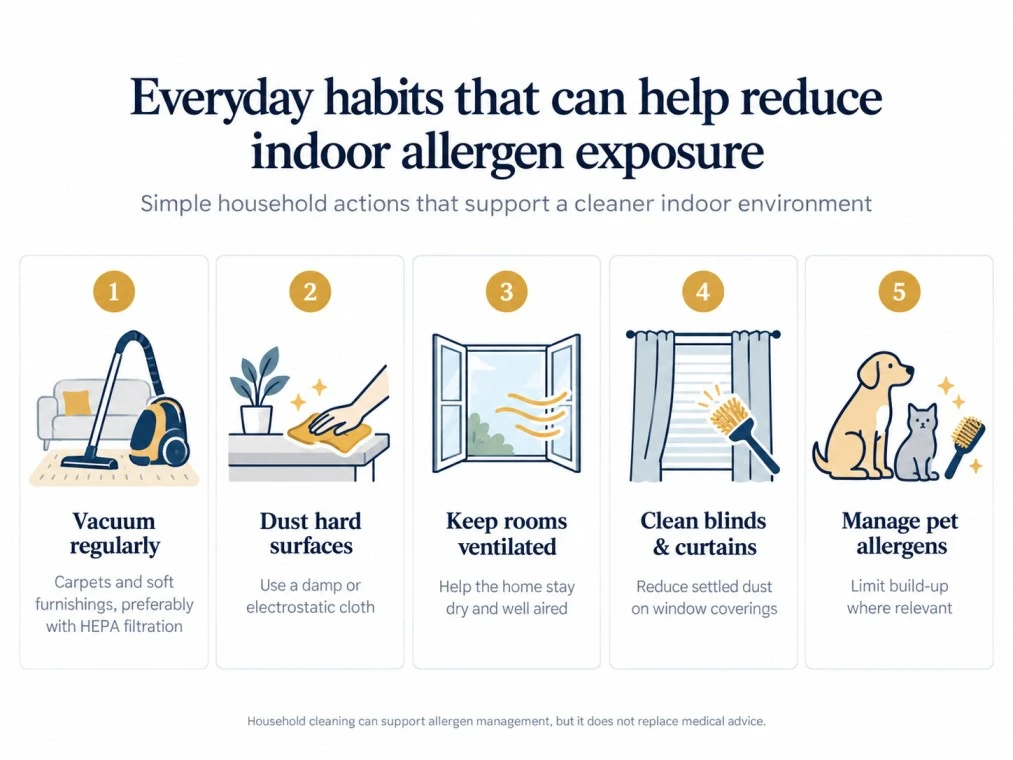
What Everyday Habits Can Help Reduce Indoor Allergen Exposure?
Carpets aren’t the only place dust and allergens collect. A few simple cleaning habits can help manage them throughout the home.
Carpet Cleaning Across Sydney
The need for carpet cleaning usually has more to do with how a room is used than the suburb it’s in. A busy entrance or family living area may collect dirt faster than a rarely used bedroom, but no one location should be assumed to have a particular allergy problem.
For homeowners comparing local services, Kings of Cleaning has information about carpet cleaning in Penrith, carpet cleaning in Richmond and carpet cleaning in Bankstown. Whichever area you’re in, the carpet’s condition and care requirements should guide the cleaning approach.
Request a Carpet Cleaning Quote
Keeping carpets well maintained involves a combination of regular vacuuming, sensible attention to dust and moisture, and deeper cleaning when the flooring needs it. Professional cleaning may help remove some accumulated material, but it cannot promise relief from allergies or asthma.
If your carpet needs more than routine household care, Kings of Cleaning can discuss its condition and the available cleaning options. Get a free quote to find out which approach may suit your home.